
How Crypto Isn’t as “Different” from Traditional Money as You Think
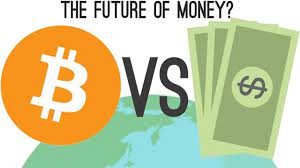
When most people hear the word crypto, they either think of wild speculation or a mysterious new kind of money that somehow defies the systems we’ve known for centuries. But here’s the truth: much of what makes cryptocurrencies work — and valuable — isn’t all that different from how we’ve used money for generations.
Fiat Money: Trust Over Tangibility
The U.S. dollar, the euro, the yen — these are all examples of fiat currency. They aren’t backed by gold, silver, or any physical commodity. They are backed by trust — trust in a government, a central bank, and a shared agreement among citizens that these pieces of paper and digital digits represent value.
Now think about Bitcoin. Or Ethereum. Or stablecoins.
They aren’t backed by a government, but they’re backed by math, code, and consensus. A network of people agree that they have value, and they use them accordingly. In both cases — fiat and crypto — the money functions because of trust, belief, and usage.
The Ledger is the Law
Fiat money exists on ledgers, too. Your bank doesn’t actually move physical stacks of cash when you send a wire transfer. It updates a database entry — just like a blockchain updates its public ledger. In fact, blockchains offer better transparency because anyone can view the ledger. Traditional banking? You have to trust opaque systems.
Scarcity by Design
Governments manage fiat currency supply (sometimes poorly). Many cryptocurrencies, however, are programmatically scarce. Bitcoin will only ever have 21 million coins — baked into its code. Scarcity drives value, whether it’s the limited number of dollars in circulation or the limited number of NFTs in a collection.
NFTs: The Next Evolution
If cryptocurrencies echo fiat money, NFTs are beginning to echo property rights and collectibles — in ways never possible before. Owning a limited-edition NFT isn’t so different from owning a rare coin, a first-edition comic book, or even a domain name. The blockchain simply makes ownership provable, portable, and tradeable on a global scale.
Why It Matters
Understanding these parallels helps demystify crypto and NFTs. They aren’t a radical break from our past — they are an evolution of the way humans have always transacted, collected, and valued things.
And that’s why this space is here to stay. The underlying behaviors are very old. The tools are just brand new.
At NFT-TradingCards.biz and nftXc.biz, we understand both the roots of value and the future of digital ownership. Follow us for insights that bridge the worlds of fiat, crypto, and NFTs — because understanding this history is the key to mastering what comes next.