
The Money Most People Never Question
Look in your wallet. Or pull up your bank app. Chances are you see U.S. dollars, euros, yen, or another national currency.
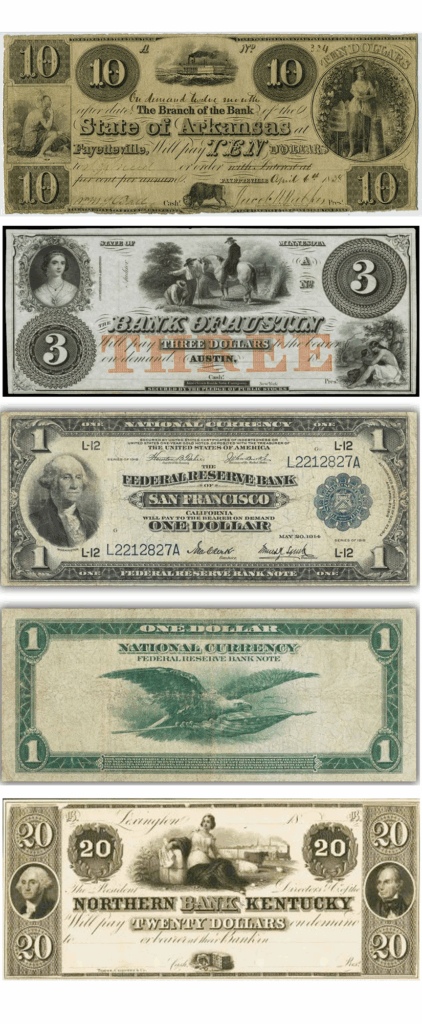
But here’s a simple question most people never ask: What actually gives this money its value?
The answer: Trust.
Not gold. Not silver. Not some vault somewhere. Fiat currency — like the U.S. dollar — is backed by nothing but government decree and public belief. It’s called “fiat” from the Latin let it be done — meaning it has value because a government says so.
How Is Fiat Money Created?
It’s not what most people think.
Governments and central banks can simply create new money at will:
- The Federal Reserve prints dollars
- The European Central Bank prints euros
- Other central banks do the same for their national currency
Much of this is now done digitally — “printing” new reserves and injecting them into the banking system. The result? The money supply keeps expanding. And as supply grows, purchasing power tends to shrink — aka, inflation.
Since 1971, when the U.S. fully left the gold standard, the dollar has been completely fiat — unbacked by any physical asset.
Why Do People Trust Fiat?
It’s largely inertia and habit.
- People are used to using dollars (or their local currency).
- Governments require taxes to be paid in fiat.
- Businesses price goods and services in fiat.
It works — until it doesn’t.
When trust in fiat breaks down — whether through hyperinflation (see Zimbabwe, Venezuela), banking crises, or massive money printing — people look for alternatives: gold, real estate, hard assets… and now crypto.
Enter Crypto
Cryptocurrencies like Bitcoin were designed to fix many of fiat’s flaws:
Hard cap (only 21 million BTC)
Decentralized — no central bank deciding supply
Transparent — anyone can audit the blockchain
Deflationary — designed to grow scarcer over time
Crypto forces us to ask: Should money be controlled by governments and central banks? Or by open networks based on math and code?
Final Thought:
Most people never think about how money works — until the system shows cracks. In today’s world of record debt, endless money printing, and inflation, it’s time to start asking hard questions about fiat… and looking toward alternatives.